
History of our church buildings
St Denys’, Northmoor.
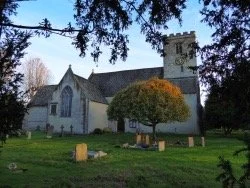
St Denys Parish Church is a Grade 1 Listed Building, constructed of rough limestone blocks and surrounded by its own well-tended churchyard in the centre of Northmoor village. The village with its outlying hamlets of Moreton and Bablockhythe sits in a long loop of the river Thames below its confluence with the river Windrush. This is still essentially an agricultural landscape of arable, pasture and meadow. It is a small cruciform church dating from the early 14th century, with a 15th century west tower. The communion rail is late 17th century, said to have come from St. John’s College chapel. St. John’s still retains the patronage.St Giles’, Standlake
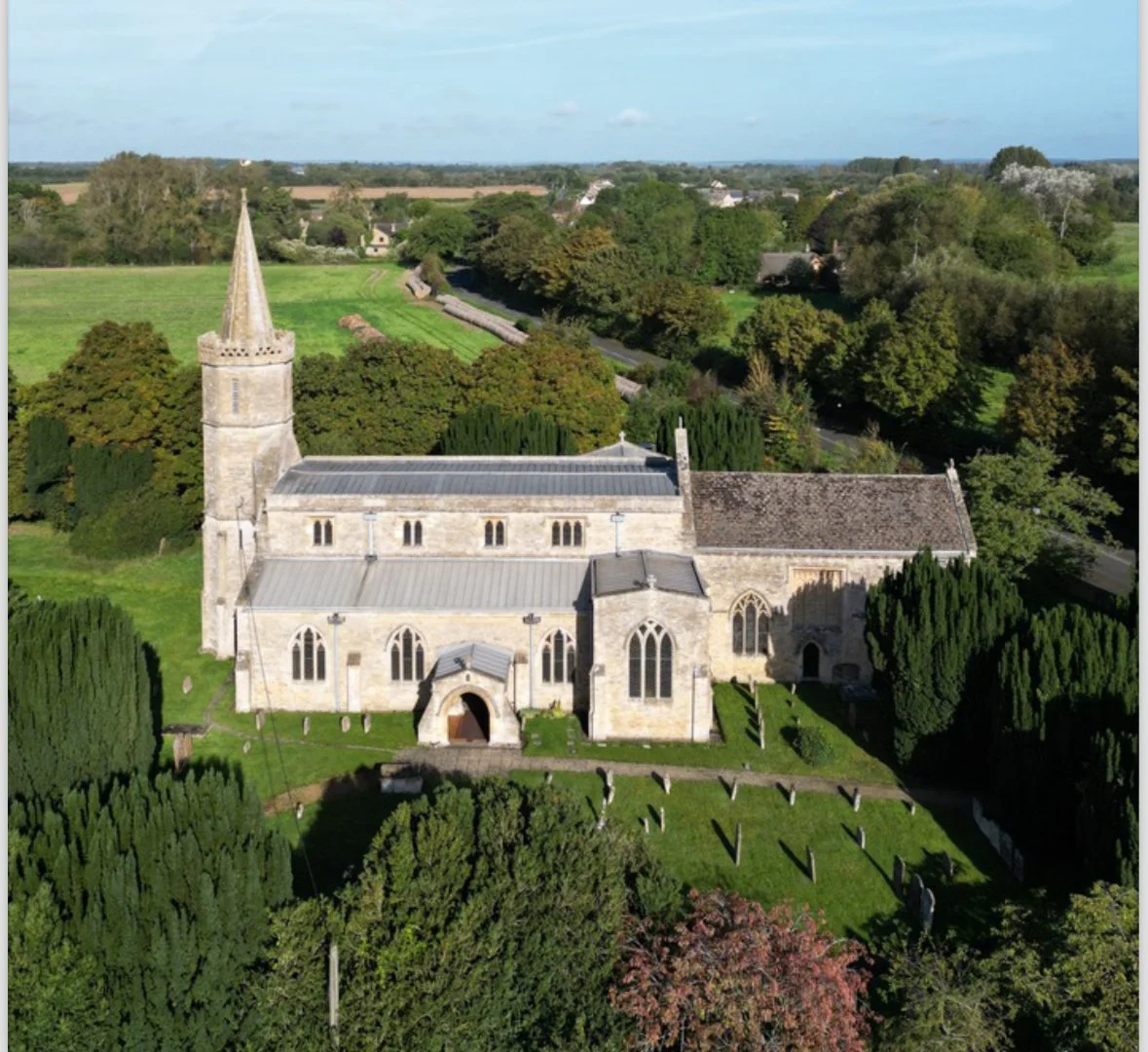
St Giles Church is a Grade II* listed Church based on late Norman foundations (c1180), it was largely rebuilt in the 13th century. During the 14th century, a period of relative prosperity, the chancel and transepts were remodelled and the aisles and unusual octagonal tower and spire added. The clerestory was built in the 15th century to add light. Like many churches, St Giles fell into disrepair during the 17th and 18th centuries. A major restoration was begun in 1876, returning the building to its Early English architectural style as far as possible. The carved oak pews and chancel roof of this restoration are wonderful. In 2012 a generous legacy enabled the Church to have a dais constructed in front of the chancel for a nave altar and in order to accommodate choirs and other performances.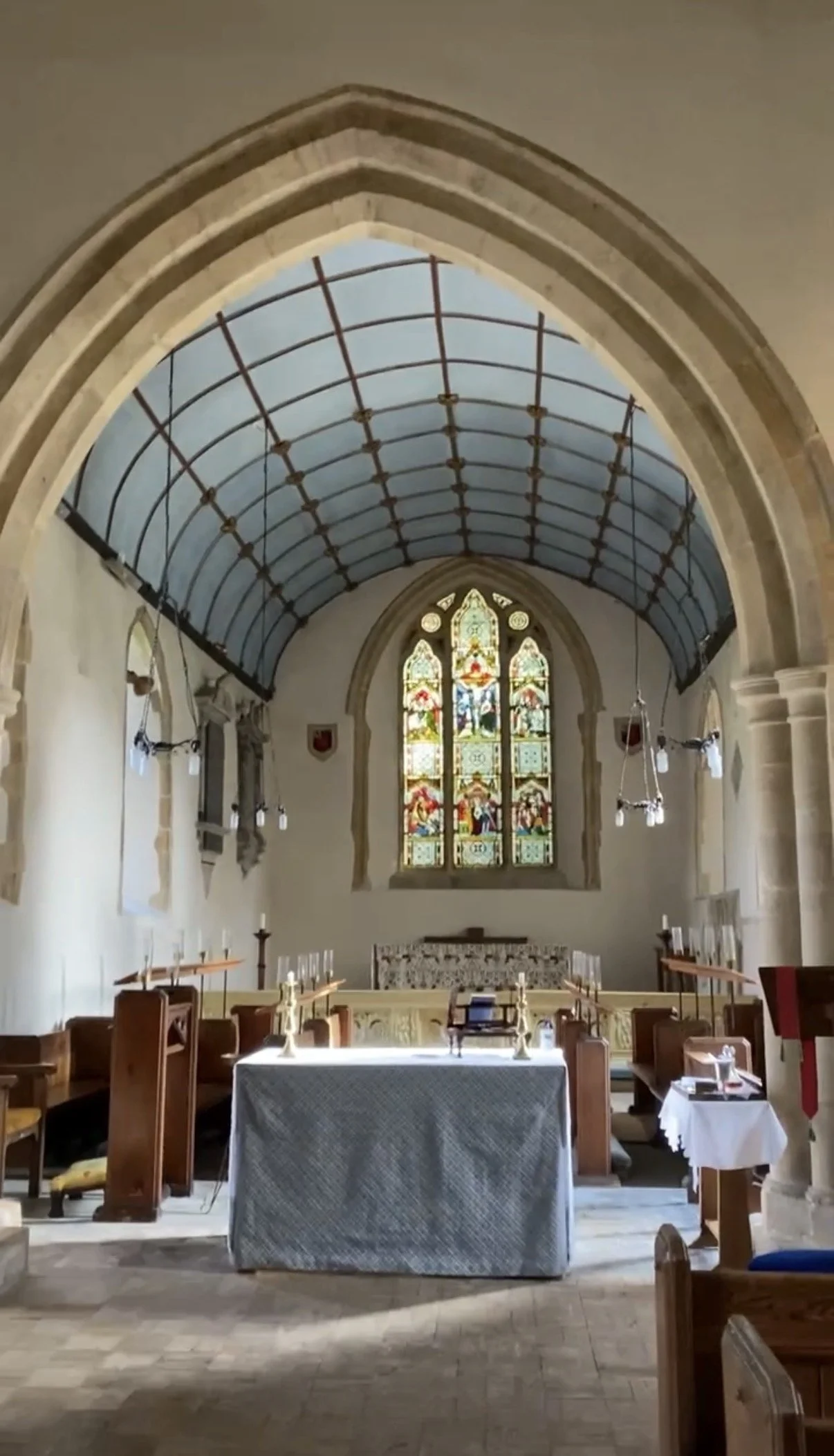
Driven by curiosity and built on purpose, this is where bold thinking meets thoughtful execution. Let’s create something meaningful together.
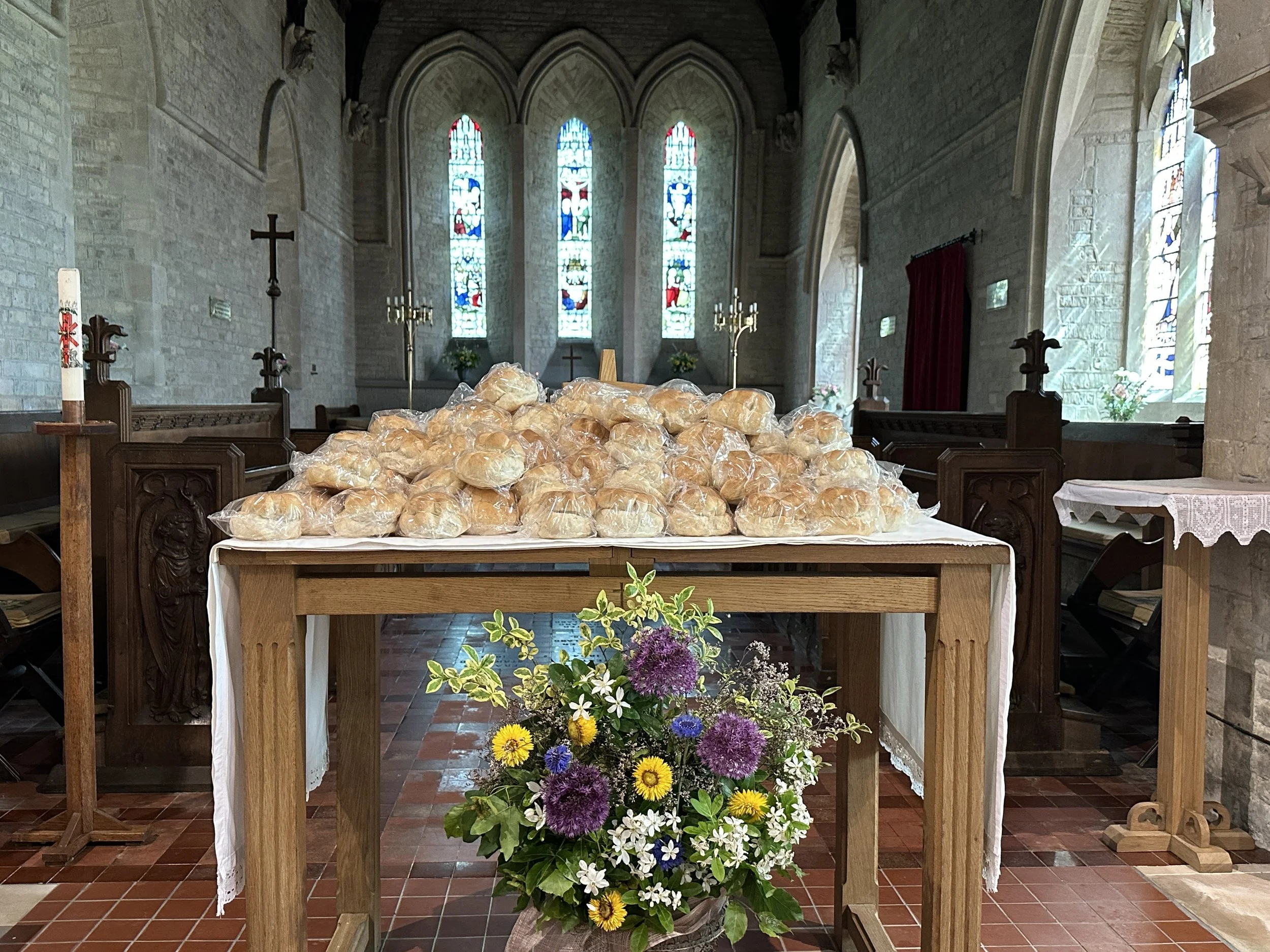
Inside St Giles' at the main altar ready for our Ascension Day Little Loaves service which has taken place each year for around 400 years.